
bullet resistant glass specification
Understanding No Go Pin Gauges An Essential Tool for Quality Control In the realm of manufacturing and quality control, precision is paramount. One of the essential tools used in ensuring that parts meet strict tolerances is the no go pin gauge. This simple yet effective instrument plays a crucial role in verifying the dimensions of various components, ensuring that they meet specifications and can function properly in their intended applications. In this article, we will delve into the purpose, design, and application of no go pin gauges, highlighting their significance in the manufacturing process. What is a No Go Pin Gauge? A no go pin gauge is a type of measuring tool used in the inspection of holes and slots in components. It typically comes in two variants the go gauge and the no go gauge. The go gauge is used to determine if an object fits within the desired size range, whereas the no go gauge is designed to check for maximum allowable limits. If the no go gauge fits into the hole or slot being measured, it indicates that the part does not meet the required specifications and is deemed unacceptable. Design and Materials No go pin gauges are usually made from high-quality materials such as hardened steel or carbide to ensure durability and precision. Their design is straightforward; they often resemble a pin or cylindrical shape that is available in various diameters. The no go gauge is calibrated to match the specified tolerances, with precise dimensions that allow for accurate assessments during inspections. The ends of the pin gauge are usually marked with the gauge size, and some may feature additional markings to facilitate understanding of the measurement system being used. For industries that demand high precision, such as aerospace and automotive, the construction and calibration of no go pin gauges are subject to strict standards to ensure accuracy over time. Applications of No Go Pin Gauges No go pin gauges find applications across various industries, particularly in quality control processes where adherence to specifications is critical. They are commonly used in no go pin gauge 1. Manufacturing During the production of parts, no go gauges help in verifying that holes and slots are not oversized or out of tolerance. This is crucial to ensuring that components fit together correctly in assemblies. 2. Maintenance and Repair In the maintenance of machinery, technicians may use no go pin gauges to assess wear in components. If a part shows signs of being out of tolerance, it may need to be replaced or repaired to maintain optimal function. 3. Tool Making Toolmakers employ no go gauges to ensure that they create tools that meet specified tolerances. This is vital for the production of tools that will be used for critical applications, where deviations can lead to failures or inefficiencies. 4. Quality Assurance In quality assurance programs, no go pin gauges are an integral part of the inspection process. They help to confirm that manufactured parts or assemblies meet the rigorous standards required by regulatory bodies and industry norms. Benefits of Using No Go Pin Gauges The primary benefit of using no go pin gauges is enhanced quality control. By providing a straightforward method to evaluate whether parts are within permissible limits, manufacturers can reduce the risk of defective products entering the market. This, in turn, leads to increased customer satisfaction and decreased costs associated with returns and repairs. Additionally, no go pin gauges are easy to use and do not require complex calibration procedures, making them an accessible tool for operators on the shop floor. Their durability ensures that they can be used repeatedly without significant wear, maintaining accuracy over long periods. Conclusion No go pin gauges are indispensable tools in the world of manufacturing and quality assurance. Their ability to provide a clear, objective measurement ensures that components meet essential specifications, leading to better overall product quality. As industries continue to advance and the demand for precision increases, the role of no go pin gauges will remain vital in maintaining high standards of workmanship and reliability. Whether in a large-scale manufacturing operation or a small repair shop, understanding and utilizing no go pin gauges can significantly contribute to the overall success of production processes.
about
bullet resistant glass specification
The Gauge Pin Class Precision Engineering at its Finest In the realm of precision engineering and manufacturing, the gauge pin class holds a significant position. These seemingly insignificant tools play a pivotal role in ensuring accuracy and consistency in various industrial processes. The term gauge pin refers to a cylindrical rod or pin used as a standard for measuring dimensions, particularly in the calibration of gauges and fixtures. Gauge pins are classified into different classes based on their tolerance levels, with each class catering to specific industry requirements. The classification system is crucial as it guarantees that the pins meet stringent standards for dimensional stability, roundness, and surface finish. This system ensures that the pins can accurately measure and maintain the quality of manufactured components. The most common gauge pin classes include Class 0, Class 1, Class 2, and Class 3. Class 0 pins, also known as 'extra fine' or 'super precision,' have the tightest tolerances and are typically used in applications where absolute precision is paramount, such as in aerospace and medical device manufacturing. On the other hand, Class 3 pins, with relatively looser tolerances, are more suitable for general-purpose measurements. The production process of gauge pins is meticulous and involves high-precision machining techniques. Materials like hardened steel, stainless steel, or carbide are commonly used due to their durability and resistance to wear Materials like hardened steel, stainless steel, or carbide are commonly used due to their durability and resistance to wear Materials like hardened steel, stainless steel, or carbide are commonly used due to their durability and resistance to wear Materials like hardened steel, stainless steel, or carbide are commonly used due to their durability and resistance to wear gauge pin class . Each pin undergoes rigorous inspection and testing, including dimensional checks, hardness tests, and visual inspections, to ensure they fall within the specified class parameters. The importance of gauge pin classes extends beyond the manufacturing floor. They are vital in maintaining quality control standards, preventing costly errors, and ensuring product reliability. Engineers and technicians rely on these pins to verify the accuracy of machinery, tools, and parts, making them indispensable in industries such as automotive, aerospace, and electronics. In conclusion, the gauge pin class system is a testament to the significance of precision in modern manufacturing. It underscores the need for accurate measurements and consistent quality, fostering trust in the products we use daily. From the smallest components in a smartphone to the intricate mechanisms of an aircraft, gauge pins serve as silent guardians of precision, silently ensuring that every detail aligns perfectly. Their role might be unseen, but their impact is undeniable, making them a cornerstone of engineering excellence.
-

High quality industrial productsagement

High quality industrial products
View Details -

Meet the diverse needs of customers

Meet the diverse needs of customers
View Details -

Strict quality control

Strict quality control
View Details -

Top raw materials

Top raw materials
View Details -

Trusted supplier

Trusted supplier
View Details
Our application



news and information
Valve de 10 pouces
Les vannes à papillon de 10 pouces jouent un rôle crucial dans la gestion des fluides dans divers sy
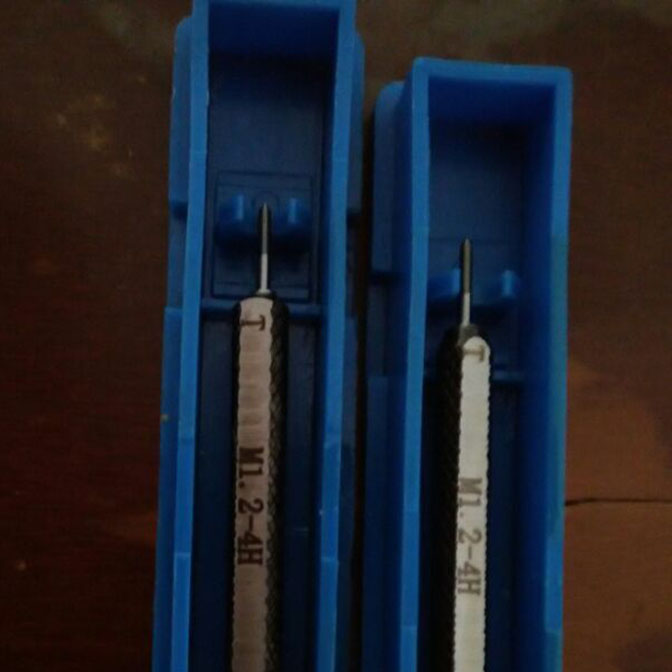
Verkauf von präzisen Stiftmessgeräten für industrielle Anwendungen und Qualitätskontrolle
Pin-Gauges zum Verkauf Präzision und Qualität für Ihre Fertigung In der modernen Fertigungsindustrie

Vanne à guillotine de 8 pouces pour applications industrielles et de plomberie
Vannes à Panneau Couteau de 8 Pouces Un Équipement Essentiel pour l'Industrie Les vannes à panneau
 English